MANHATTAN NEIGHBORHOODS
West Village
West Village
Historic streets, hidden gardens, and downtown New York at its most personal.
MANHATTAN NEIGHBORHOODS
West Village
Historic streets, hidden gardens, and downtown New York at its most personal.

THE NEIGHBORHOOD
West Village
West Village
West Village
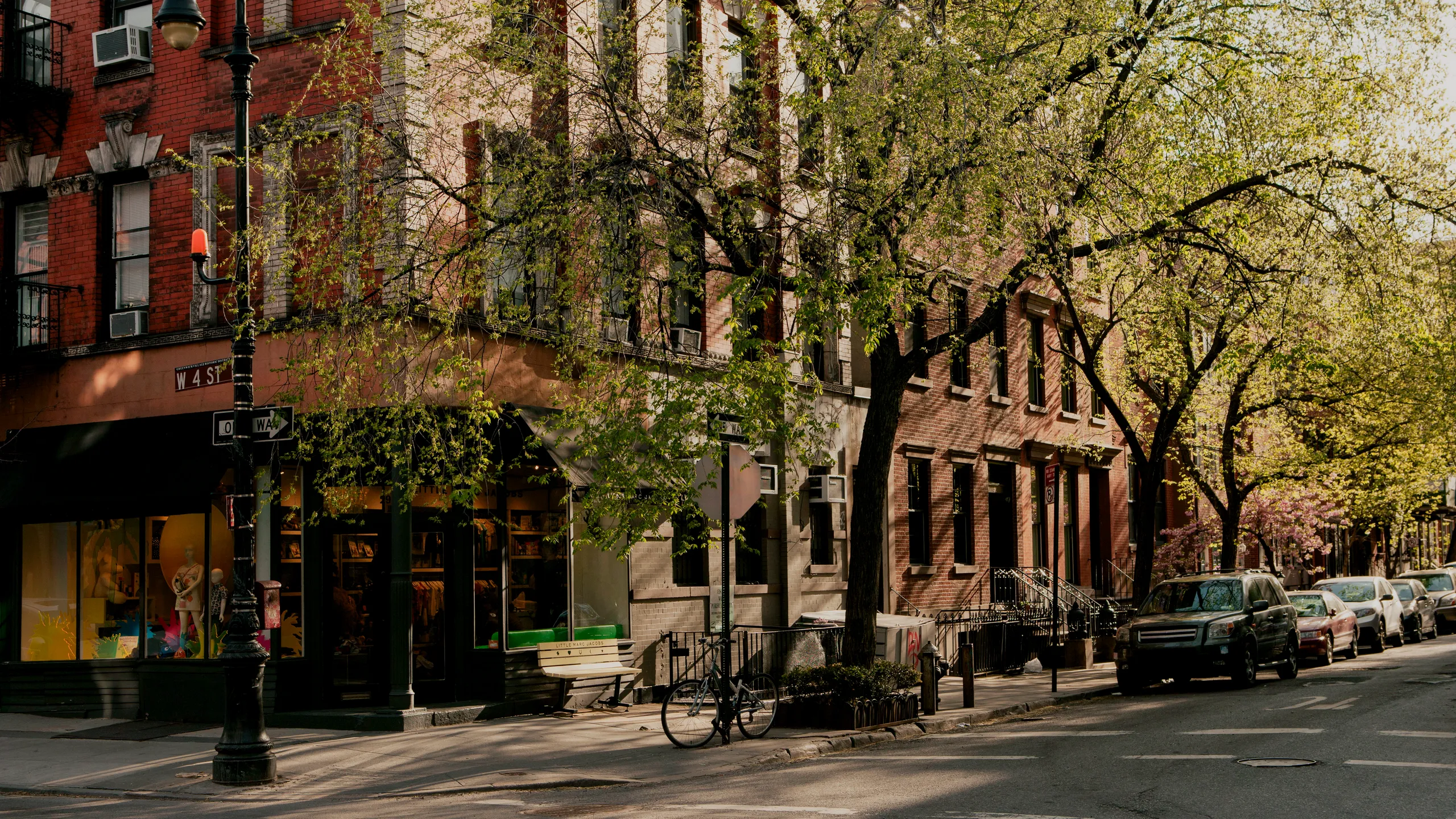
The West Village is known for its winding streets, landmarked townhouses, pocket parks, and a distinctly residential pace. Set along the Hudson River and minutes from the Meatpacking District, it combines a deep sense of neighborhood with immediate access to downtown Manhattan.
The West Village is known for its winding streets, landmarked townhouses, pocket parks, and a distinctly residential pace. Set along the Hudson River and minutes from the Meatpacking District, it combines a deep sense of neighborhood with immediate access to downtown Manhattan.
The West Village is known for its winding streets, landmarked townhouses, pocket parks, and a distinctly residential pace. Set along the Hudson River and minutes from the Meatpacking District, it combines a deep sense of neighborhood with immediate access to downtown Manhattan.
35,000
People
14
Blocks
Prewar
Architecture
14th–Houston
West Village
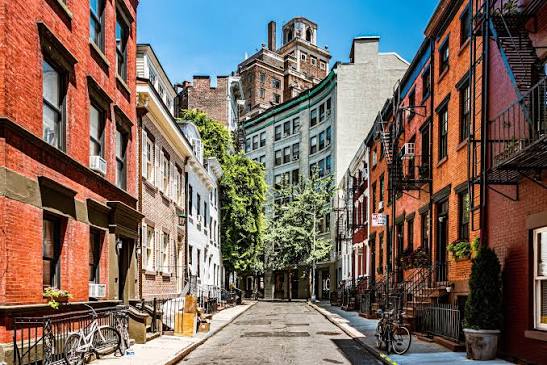
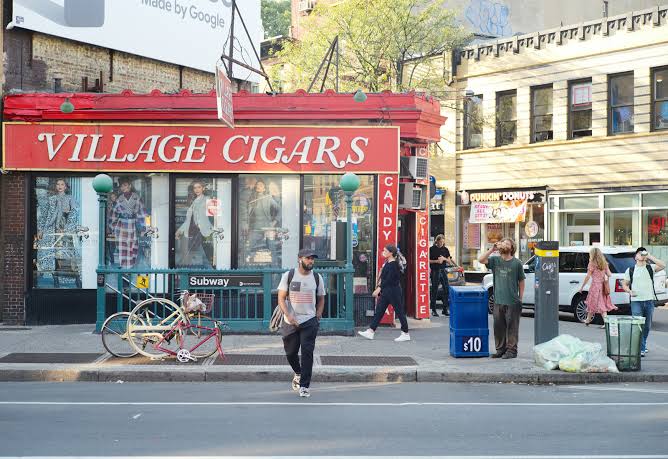

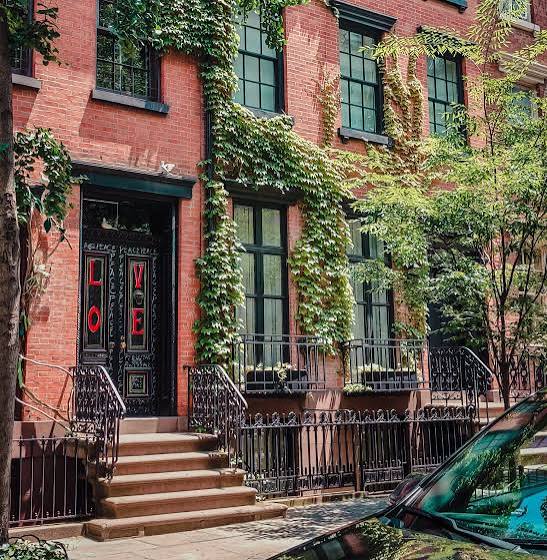
Explore West Village
A live neighborhood map with nearby streets, transit, and local context.
History of West Village
Tucked between the Hudson River and the winding streets of Greenwich Village, the West Village is one of Manhattan's most recognizable and sought-after residential neighborhoods. Known for its historic brownstones, charming cobblestone streets, intimate restaurants, and picturesque townhouses, this distinctive corner of Downtown Manhattan offers a rare sense of neighborhood character in the heart of New York City.
The West Village's origins date back to the early development of Greenwich Village, which began as a rural settlement beyond the boundaries of colonial New York City. During the eighteenth and early nineteenth centuries, the area evolved from farmland and country estates into a growing residential community. Unlike much of Manhattan, the neighborhood developed before the city's famous 1811 street grid was fully implemented, leaving behind the irregular streets and unexpected intersections that define its character today.
By the nineteenth century, the West Village had become an established residential neighborhood, with elegant Federal-style homes, Greek Revival townhouses, and Italianate brownstones lining streets such as Perry, Charles, West 10th, and Bank. Many of these historic properties remain standing, giving the neighborhood one of the most architecturally distinctive residential landscapes in Manhattan.
The neighborhood's proximity to the Hudson River also shaped its development. The western waterfront became a center of maritime commerce, warehouses, industry, and working-class communities. Over time, the contrast between the bustling industrial waterfront and the quieter residential streets created the diverse architectural character that remains visible throughout the West Village.
During the late nineteenth and early twentieth centuries, Greenwich Village became a magnet for artists, writers, musicians, and intellectuals. Its relatively affordable housing, unconventional street layout, and independent spirit attracted generations of creative residents. The neighborhood became closely associated with New York City's bohemian culture, progressive movements, and artistic experimentation.
The West Village also played an important role in the city's cultural and social history. Christopher Street became a focal point of LGBTQ+ life, and the 1969 Stonewall uprising helped launch the modern LGBTQ+ rights movement. Nearby cafés, theaters, and gathering places contributed to Greenwich Village's enduring reputation as a center of creativity, activism, and cultural change.
As redevelopment pressures increased during the twentieth century, neighborhood preservation became a defining issue. Urban activist Jane Jacobs and other local advocates challenged large-scale redevelopment proposals, championing the importance of walkable streets, historic buildings, and established communities. Their efforts helped shape the city's approach to neighborhood preservation.
In 1969, the Greenwich Village Historic District was officially designated, protecting a substantial portion of the neighborhood's historic architectural landscape. Additional landmark protections followed in later decades, helping preserve the brownstones, townhouses, and low-rise streetscapes that make the West Village so distinctive.
Today, the West Village combines its historic charm with some of Manhattan's most desirable residential real estate. Tree-lined streets, boutique shops, celebrated restaurants, and easy access to Hudson River Park create an exceptional urban lifestyle. Its housing ranges from nineteenth-century townhouses and prewar cooperative apartments to converted lofts, boutique condominiums, and contemporary luxury residences.
For buyers exploring West Village apartments and Downtown Manhattan real estate, the neighborhood offers a distinctive combination of architectural heritage, cultural history, residential character, and proximity to some of New York City's most celebrated destinations.
Buying or Selling a Condo, Co-op, or Townhouse in the West Village?
Considering buying or selling an apartment in the West Village, Manhattan? From historic brownstones and elegant prewar co-ops to boutique condominiums, converted lofts, and luxury townhouses, the West Village offers one of New York City's most distinctive residential real estate markets.
Whether you're searching for West Village condos for sale, exploring cooperative apartments, looking to purchase a townhouse, or considering selling your West Village property, understanding local market conditions, recent comparable sales, building financials, landmark restrictions, and property values is essential.
Nic Jennings, a Manhattan real estate agent with Douglas Elliman, represents buyers and sellers throughout the West Village, Greenwich Village, and surrounding Downtown Manhattan neighborhoods. With extensive experience in Manhattan residential real estate, Nic brings detailed property analysis, strategic pricing guidance, personalized marketing, and hands-on representation to every transaction.
For buyers, that means identifying the right West Village apartment or townhouse, evaluating individual buildings, understanding co-op board requirements, assessing property values, and negotiating with confidence. For sellers, it means developing a thoughtful pricing and marketing strategy designed to showcase a property's unique qualities and position it competitively in the West Village real estate market.
Thinking of buying a condo, co-op, or townhouse in the West Village? Wondering what your West Village apartment is worth?
Explore available West Village properties, request a personalized property valuation, or contact Nic Jennings at Douglas Elliman to discuss buying or selling real estate in the West Village, New York City.
Getting Around the West Village
The West Village is well served by subway lines, downtown buses, and highly walkable connections to the Hudson River, Chelsea, SoHo, and Greenwich Village.
Subway Connections
West 4th Street / Washington Square
A major Greenwich Village hub for Midtown, Brooklyn, Queens, and Downtown service.
14th Street / Eighth Avenue
Convenient west-side and crosstown access near the northern edge of the neighborhood.
Christopher Street / Sheridan Square
Local service along Seventh Avenue to Lower Manhattan and the Upper West Side.
Local Bus Connections
Crosstown service between the West Village, East Village, and Tompkins Square.
Washington Street and Ninth Avenue service.
Crosstown service to the Lower East Side.
Crosstown service via 14th Street.
RECENT TEAM JENNINGS REPRESENTATION

421 Hudson Street
Buyer Representation

61 Jane Street
Buyer Representation
INTERESTED IN THIS NEIGHBORHOOD?
Let’s Talk.
Let’s Talk.
Let’s Talk.
Whether you’re looking to buy, sell or just want to learn more about living here, we’re here to help.
CONTACT TEAM JENNINGS →
TEAM
JENNINGS
AT DOUGLAS ELLIMAN
NIC JENNINGS
LICENSED REAL ESTATE SALESPERSON
646-385-3933
nic.jennings@elliman.com
OFFICE
575 MADISON AVENUE
NEW YORK, NY 10022
HEIDI JENNINGS
OFFICE MANAGER
646-385-3933
email address coming soon
OFFICE
575 MADISON AVENUE
NEW YORK, NY 10022