
MANHATTAN NEIGHBORHOODS
Sutton Place
Sutton Place
Old New York. Timeless Elegance
MANHATTAN NEIGHBORHOODS
Sutton Place
Old New York. Timeless Elegance

THE NEIGHBORHOOD
Sutton Place
Sutton Place
Sutton Place
Sutton Place sits along the East River, from 53rd to 59th Street, from First Avenue to the river. It’s a small neighborhood, six blocks from north to south, with roughly 10,000 people living here. You’re only a few blocks from Grand Central, but closer to the river you’ll see less traffic, prewar buildings and tree-lined streets.
Sutton Place sits along the East River, from 53rd to 59th Street, from First Avenue to the river. It’s a small neighborhood, six blocks from north to south, with roughly 10,000 people living here. You’re only a few blocks from Grand Central, but closer to the river you’ll see less traffic, prewar buildings and tree-lined streets.
Sutton Place sits along the East River, from 53rd to 59th Street, from First Avenue to the river. It’s a small neighborhood, six blocks from north to south, with roughly 10,000 people living here. You’re only a few blocks from Grand Central, but closer to the river you’ll see less traffic, prewar buildings and tree-lined streets.
~10,000
Residents
6
Blocks N–S
Prewar
Architecture
53rd–59th
Along the East River


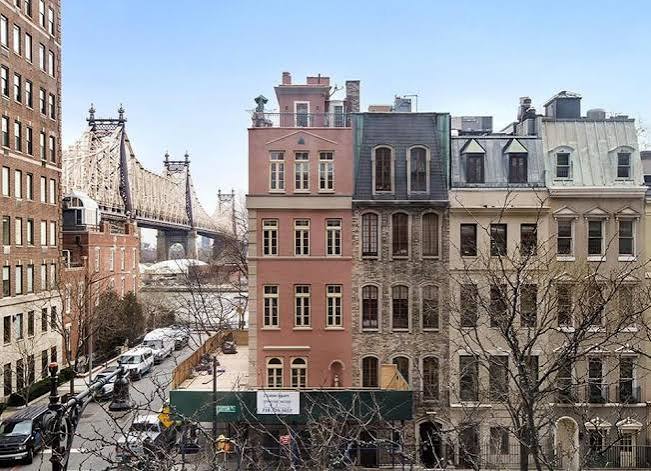
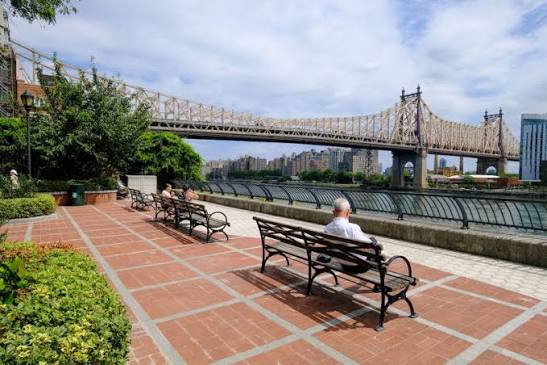
Explore Sutton Place
A live neighborhood map with nearby streets, transit, and local context.
History of Sutton Place
Tucked along Manhattan's East River, Sutton Place has one of New York City's most distinctive residential histories. Known today for its elegant prewar cooperative buildings, tree-lined streets, and waterfront views, this quiet Midtown East neighborhood evolved from a modest nineteenth-century enclave into one of Manhattan's most prestigious addresses.
The neighborhood takes its name from Effingham B. Sutton, a developer who constructed a row of brownstone houses between East 57th and East 58th Streets in 1875. Originally part of Avenue A, the street was renamed Sutton Place in 1883. Despite its desirable waterfront location, the area remained relatively overlooked for several decades, far removed from the fashionable residential corridors of Fifth Avenue and the Upper East Side.
That changed dramatically in the early 1920s when a remarkable group of influential New York women, including Anne Harriman Vanderbilt, Anne Morgan, and Elisabeth Marbury, began transforming the neighborhood. They commissioned architect Mott B. Schmidt to design and renovate elegant townhouses overlooking the East River, helping establish Sutton Place as a fashionable residential address.
Their arrival sparked a wave of luxury residential development. During the 1920s and 1930s, prominent architects, including Rosario Candela, designed grand apartment houses that would become defining features of Sutton Place real estate. Buildings such as One Sutton Place South introduced expansive residences, refined architectural details, and remarkable river views, establishing a tradition of sophisticated apartment living that continues today.
The neighborhood's architectural character expanded throughout the twentieth century, combining stately prewar cooperatives with postwar residential towers. Its position near the Queensboro Bridge, East River waterfront, and Midtown Manhattan offered residents an unusual balance of accessibility and relative seclusion. Today, Sutton Place retains much of the understated elegance that first attracted its early residents. Its intimate streets, distinguished residential buildings, and waterfront parks give it a character distinctly different from the bustle of surrounding Midtown. For buyers exploring Sutton Place apartments and Manhattan real estate, the neighborhood offers a rare combination of architectural heritage, residential tranquility, and proximity to the heart of New York City.
Getting Around Sutton Place
Sutton Place offers a quieter residential setting along Manhattan’s East River while remaining connected to Midtown, the Upper East Side, Downtown, and Queens. Nearby Lexington Avenue subway stations, crosstown buses, and the Roosevelt Island Tram provide convenient options for getting around New York City.
Subway Connections
Lexington Avenue / 59th Street
Connections to the East Side, Downtown Manhattan, Brooklyn, and Queens.
Lexington Avenue / 53rd Street
Crosstown connections to Midtown, Queens, and other parts of Manhattan.
Lexington Avenue / 63rd Street
Connections along the Sixth Avenue and Second Avenue subway corridors, including the Upper East Side and Brooklyn.
51st Street
Additional Lexington Avenue local subway access.
57th Street
Additional Sixth Avenue Line access.
Local Bus Connections
First and Second Avenue local service.
First and Second Avenue Select Bus Service.
York Avenue and East 57th Street.
57th Street crosstown service.
Third and Lexington Avenue corridor.
Third and Lexington Avenue corridor.
Third and Lexington Avenue corridor.
Midtown Manhattan and Queens connection.
Roosevelt Island Tramway
The Roosevelt Island Tramway departs from Second Avenue at East 59th/60th Street, providing a scenic aerial connection across the East River to Roosevelt Island. The tram accepts OMNY and offers a distinctive transportation option just north of Sutton Place.
Useful Transportation Links
MTA Subway MapsMTA Bus ArrivalsMTA Service ChangesRoosevelt Island TramExplore Sutton Place
A live neighborhood map with nearby streets, transit, and local context.
History of Sutton Place
Tucked along Manhattan's East River, Sutton Place has one of New York City's most distinctive residential histories. Known today for its elegant prewar cooperative buildings, tree-lined streets, and waterfront views, this quiet Midtown East neighborhood evolved from a modest nineteenth-century enclave into one of Manhattan's most prestigious addresses.
The neighborhood takes its name from Effingham B. Sutton, a developer who constructed a row of brownstone houses between East 57th and East 58th Streets in 1875. Originally part of Avenue A, the street was renamed Sutton Place in 1883. Despite its desirable waterfront location, the area remained relatively overlooked for several decades, far removed from the fashionable residential corridors of Fifth Avenue and the Upper East Side.
That changed dramatically in the early 1920s when a remarkable group of influential New York women, including Anne Harriman Vanderbilt, Anne Morgan, and Elisabeth Marbury, began transforming the neighborhood. They commissioned architect Mott B. Schmidt to design and renovate elegant townhouses overlooking the East River, helping establish Sutton Place as a fashionable residential address.
Their arrival sparked a wave of luxury residential development. During the 1920s and 1930s, prominent architects, including Rosario Candela, designed grand apartment houses that would become defining features of Sutton Place real estate. Buildings such as One Sutton Place South introduced expansive residences, refined architectural details, and remarkable river views, establishing a tradition of sophisticated apartment living that continues today.
The neighborhood's architectural character expanded throughout the twentieth century, combining stately prewar cooperatives with postwar residential towers. Its position near the Queensboro Bridge, East River waterfront, and Midtown Manhattan offered residents an unusual balance of accessibility and relative seclusion. Today, Sutton Place retains much of the understated elegance that first attracted its early residents. Its intimate streets, distinguished residential buildings, and waterfront parks give it a character distinctly different from the bustle of surrounding Midtown. For buyers exploring Sutton Place apartments and Manhattan real estate, the neighborhood offers a rare combination of architectural heritage, residential tranquility, and proximity to the heart of New York City.
Getting Around Sutton Place
Sutton Place offers a quieter residential setting along Manhattan’s East River while remaining connected to Midtown, the Upper East Side, Downtown, and Queens. Nearby Lexington Avenue subway stations, crosstown buses, and the Roosevelt Island Tram provide convenient options for getting around New York City.
Subway Connections
Lexington Avenue / 59th Street
Connections to the East Side, Downtown Manhattan, Brooklyn, and Queens.
Lexington Avenue / 53rd Street
Crosstown connections to Midtown, Queens, and other parts of Manhattan.
Lexington Avenue / 63rd Street
Connections along the Sixth Avenue and Second Avenue subway corridors, including the Upper East Side and Brooklyn.
51st Street
Additional Lexington Avenue local subway access.
57th Street
Additional Sixth Avenue Line access.
Local Bus Connections
First and Second Avenue local service.
First and Second Avenue Select Bus Service.
York Avenue and East 57th Street.
57th Street crosstown service.
Third and Lexington Avenue corridor.
Third and Lexington Avenue corridor.
Third and Lexington Avenue corridor.
Midtown Manhattan and Queens connection.
Roosevelt Island Tramway
The Roosevelt Island Tramway departs from Second Avenue at East 59th/60th Street, providing a scenic aerial connection across the East River to Roosevelt Island. The tram accepts OMNY and offers a distinctive transportation option just north of Sutton Place.
Useful Transportation Links
MTA Subway MapsMTA Bus ArrivalsMTA Service ChangesRoosevelt Island TramRECENT TEAM JENNINGS REPRESENTATION

303 East 57th Street
Buyer Representation
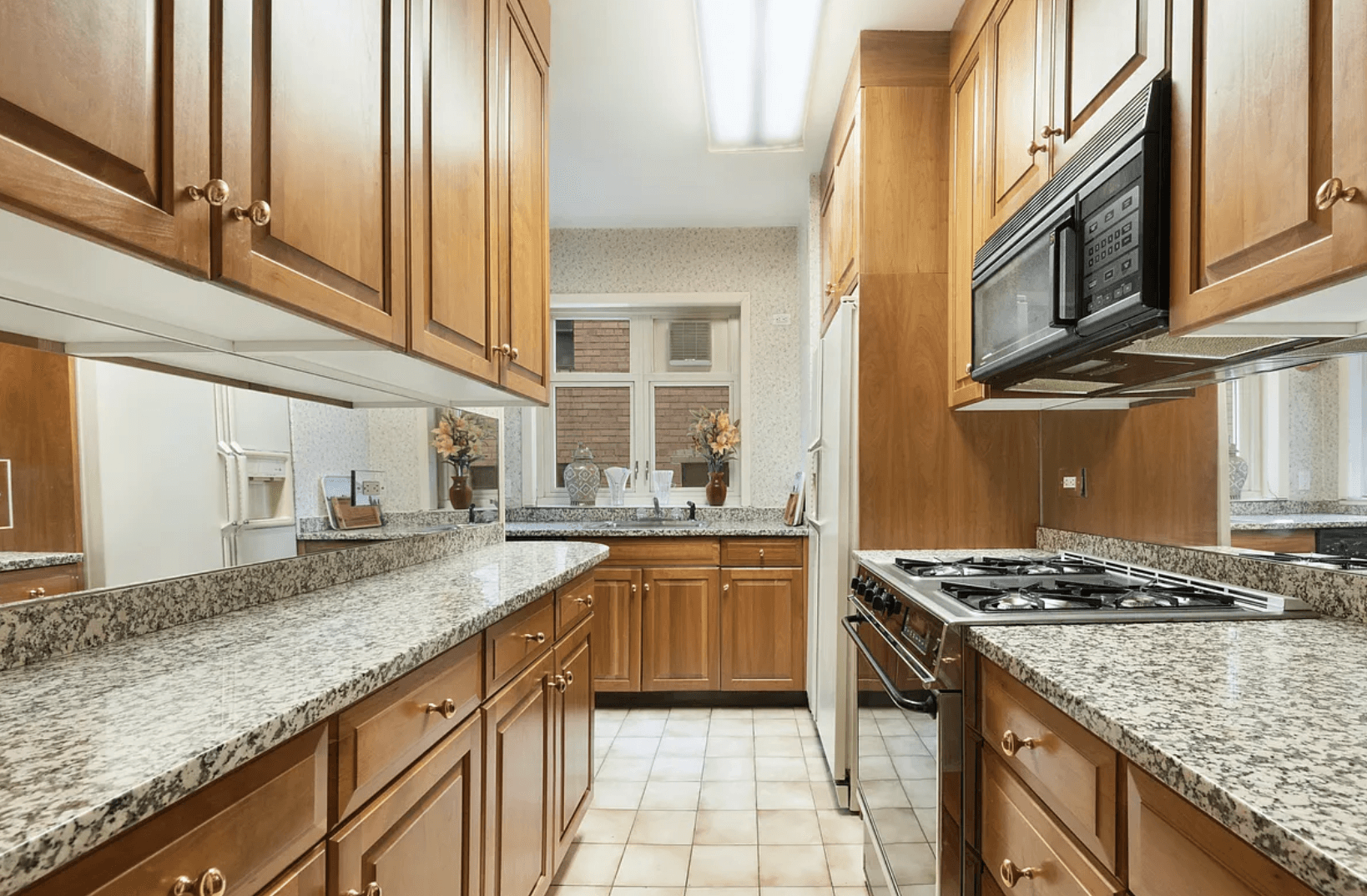
36 Sutton Place South
Buyer Representation
INTERESTED IN THIS NEIGHBORHOOD?
Let’s Talk.
Let’s Talk.
Let’s Talk.
Whether you’re looking to buy, sell or just want to learn more about living here, we’re here to help.
CONTACT TEAM JENNINGS →
TEAM
JENNINGS
AT DOUGLAS ELLIMAN
NIC JENNINGS
LICENSED REAL ESTATE SALESPERSON
646-385-3933
nic.jennings@elliman.com
OFFICE
575 MADISON AVENUE
NEW YORK, NY 10022
HEIDI JENNINGS
OFFICE MANAGER
646-385-3933
email address coming soon
OFFICE
575 MADISON AVENUE
NEW YORK, NY 10022