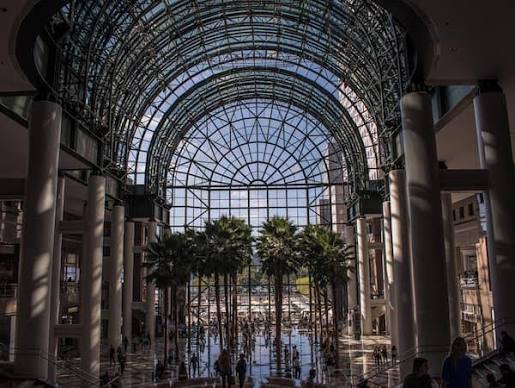
MANHATTAN NEIGHBORHOODS
Battery Park City
Battery Park City
A waterfront enclave with expansive parks, Hudson River views, and a quiet downtown rhythm.
MANHATTAN NEIGHBORHOODS
Battery Park City
A waterfront enclave with expansive parks, Hudson River views, and a quiet downtown rhythm.

THE NEIGHBORHOOD
Battery Park City
Battery Park City
Battery Park City
Battery Park City sits along the Hudson River at the southern edge of Manhattan. Its wide waterfront esplanade, landscaped parks, and residential streets create a quieter pace while keeping Lower Manhattan close at hand.
Battery Park City sits along the Hudson River at the southern edge of Manhattan. Its wide waterfront esplanade, landscaped parks, and residential streets create a quieter pace while keeping Lower Manhattan close at hand.
Battery Park City sits along the Hudson River at the southern edge of Manhattan. Its wide waterfront esplanade, landscaped parks, and residential streets create a quieter pace while keeping Lower Manhattan close at hand.
16,000
People
15
Blocks
Prewar
Architecture
Chambers to Battery Place
Streets


Explore Battery Park City
A live neighborhood map with nearby streets, transit, and local context.
History of Battery Park City
Stretching along the Hudson River at the southwestern tip of Manhattan, Battery Park City is one of New York City's most distinctive waterfront residential neighborhoods. Known for its landscaped parks, scenic waterfront esplanade, luxury condominium buildings, and spectacular views of the Hudson River and Statue of Liberty, this peaceful Downtown Manhattan community offers a remarkable combination of urban convenience and open space.
Unlike many of Manhattan's historic neighborhoods, Battery Park City is relatively new. Its origins date to the 1960s, when New York City planners began exploring ways to transform the deteriorating industrial waterfront on Lower Manhattan's western edge into a thriving residential and commercial community. At the time, the shoreline was dominated by aging piers and maritime infrastructure that had gradually fallen into disuse.
In 1968, the Battery Park City Authority was established by New York State to oversee the creation and development of the neighborhood. The ambitious project involved extending Manhattan's shoreline into the Hudson River, creating approximately 92 acres of new land. Much of the material used came from excavations associated with the construction of the original World Trade Center, giving Battery Park City a particularly unique place in New York City's architectural history.
A defining moment came in 1979 with the adoption of a master plan developed by architects Alexander Cooper and Stanton Eckstut. Rather than creating an isolated residential development, the plan envisioned Battery Park City as a natural extension of Lower Manhattan, incorporating residential buildings, commercial spaces, pedestrian-friendly streets, and extensive public parks. Approximately one-third of the neighborhood was dedicated to public open space, establishing the waterfront landscape that remains central to its identity today.
Residential development accelerated during the 1980s, beginning with Gateway Plaza, the neighborhood's first major residential complex. The completion of the World Financial Center, now part of Brookfield Place, in 1988 further established Battery Park City as an important extension of Manhattan's Financial District. Throughout the following decades, new residential towers, schools, landscaped gardens, and waterfront amenities transformed the neighborhood into a well-established residential community.
Battery Park City's relationship with the Hudson River has always been central to its character. The neighborhood's waterfront esplanade connects landscaped green spaces, recreational areas, and scenic promenades, offering residents sweeping views across New York Harbor. Rockefeller Park, Rector Park, and the surrounding waterfront spaces contribute to a residential environment that feels remarkably different from the dense streets of nearby Tribeca and the Financial District.
The neighborhood has also played an important role in the evolution of sustainable residential development. Buildings such as The Solaire and The Verdesian helped introduce environmentally conscious design to New York City's residential real estate market, incorporating energy-efficient systems and sustainable building practices. These developments reflected Battery Park City's growing reputation as a thoughtfully planned urban community.
Following the September 11, 2001 attacks, Battery Park City experienced a period of significant disruption and recovery. The neighborhood's proximity to the World Trade Center made it an important part of Lower Manhattan's rebuilding efforts. Over time, the community continued to grow, welcoming new residents, businesses, cultural attractions, and residential developments.
Today, Battery Park City is recognized for its carefully planned streets, waterfront parks, modern residential buildings, and exceptional access to Downtown Manhattan. Its proximity to Brookfield Place, the World Trade Center, Tribeca, and the Financial District offers residents convenient access to restaurants, shopping, transportation, and cultural destinations while maintaining a quieter waterfront atmosphere.
For buyers exploring Battery Park City apartments and Downtown Manhattan real estate, the neighborhood offers a distinctive combination of luxury condominium living, waterfront views, landscaped green space, and modern urban convenience. From established residential buildings to contemporary waterfront residences, Battery Park City remains one of Manhattan's most recognizable residential communities.
Buying or Selling a Condo in Battery Park City?
Considering buying or selling an apartment in Battery Park City, Manhattan? From luxury waterfront condominiums overlooking the Hudson River to spacious residences near Brookfield Place, Rockefeller Park, and the Battery Park City Esplanade, this unique Downtown Manhattan neighborhood offers a distinctive residential real estate market.
Whether you're searching for Battery Park City condos for sale, exploring waterfront apartments, or considering selling your Battery Park City property, understanding current market conditions, recent comparable sales, building financials, monthly carrying costs, and property values is essential.
One of the most important considerations when buying or selling real estate in Battery Park City is the neighborhood's ground lease structure. Unlike most Manhattan condominiums, Battery Park City residential buildings operate under ground leases with the Battery Park City Authority. Understanding ground rent obligations, payment adjustments, lease terms, and their potential impact on financing and resale values is an important part of evaluating a property in this neighborhood.
Nic Jennings, a Manhattan real estate agent with Douglas Elliman, represents buyers and sellers throughout Battery Park City, the Financial District, Tribeca, and surrounding Downtown Manhattan neighborhoods. With firsthand experience navigating Manhattan condominium transactions, Nic provides detailed property analysis, strategic pricing guidance, personalized marketing, and hands-on representation throughout the buying and selling process.
For buyers, that means identifying the right Battery Park City condo, comparing individual buildings, evaluating waterfront views and amenities, reviewing building financials and ground lease considerations, and negotiating with confidence. For sellers, it means developing a thoughtful pricing and marketing strategy designed to highlight a property's unique features and position it competitively within the Battery Park City real estate market.
Thinking of buying a condo in Battery Park City? Wondering what your Battery Park City apartment is worth?
Explore available Battery Park City condos for sale, request a personalized Battery Park City property valuation, or contact Nic Jennings at Douglas Elliman to discuss buying or selling real estate in Battery Park City, New York City.
Getting Around Battery Park City
Battery Park City combines a waterfront setting with easy connections to the Financial District, Midtown, Brooklyn, and New Jersey via nearby subway stations, buses, ferries, and pedestrian routes.
Subway Connections
Rector Street
Nearby Lower Manhattan service to Midtown, Tribeca, and the Upper West Side.
Bowling Green
Express access along the East Side and into Brooklyn.
World Trade Center / Cortlandt
Connections to Midtown, Queens, and the broader downtown transit network.
Local Bus Connections
West Side route between Battery Park City, SoHo, and Lincoln Center.
Lower Manhattan crosstown service.
Broadway service linking Lower Manhattan and Midtown.
Nearby express-bus connections at the Battery and Lower Manhattan terminals.
RECENT TEAM JENNINGS REPRESENTATION

200 Rector Place
Buyer Representation

10 West Street
Buyer Representation
INTERESTED IN THIS NEIGHBORHOOD?
Let’s Talk.
Let’s Talk.
Let’s Talk.
Whether you’re looking to buy, sell or just want to learn more about living here, we’re here to help.
CONTACT TEAM JENNINGS →
TEAM
JENNINGS
AT DOUGLAS ELLIMAN
NIC JENNINGS
LICENSED REAL ESTATE SALESPERSON
646-385-3933
nic.jennings@elliman.com
OFFICE
575 MADISON AVENUE
NEW YORK, NY 10022
HEIDI JENNINGS
OFFICE MANAGER
646-385-3933
email address coming soon
OFFICE
575 MADISON AVENUE
NEW YORK, NY 10022